
Responsible play tools are a cornerstone of modern gambling platforms, reflecting a commitment not only to compliance and safety but also to player well-being. These tools offer players a structured way to enjoy games while maintaining control over their gambling habits. By integrating features that monitor, limit, and guide behavior, operators can foster an environment where entertainment does not become a source of stress or financial harm. This support for balance is essential for sustaining long-term engagement and trust between players and platforms.
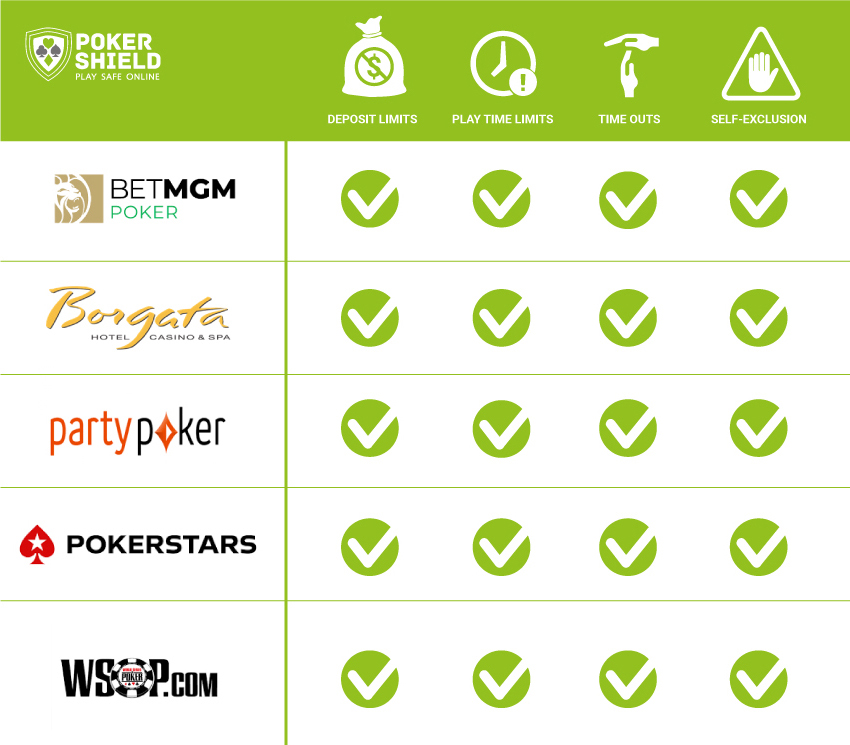
One of the most fundamental aspects of responsible play tools is self-imposed limits. Players can set daily, weekly, or monthly deposit thresholds, which create boundaries that prevent excessive spending. These limits act as a pre-commitment mechanism, allowing individuals to enjoy their gambling experience without fear of unexpected financial strain. By empowering players to define their own boundaries, these tools reinforce a sense of control and personal accountability, which is critical for maintaining psychological balance. Furthermore, such limits are often adjustable, giving users the flexibility to adapt them as their personal circumstances or comfort levels change.
Session timers are another crucial feature. Many platforms incorporate pop-up reminders or auto-logoff mechanisms that alert players when they have been active for extended periods. These prompts encourage breaks, preventing long, continuous sessions that could lead to fatigue, impaired decision-making, or impulsive behavior. Short, regular pauses allow players to reflect on their activity, assess their emotional state, and avoid chasing losses. This integration of temporal awareness into gameplay aligns with broader principles of balanced leisure, emphasizing moderation and mindfulness rather than relentless engagement.
Reality checks extend this support by offering feedback on behavior patterns. By summarizing recent play, wins, losses, and time spent, these tools provide an objective perspective that can counteract the cognitive biases that often emerge during gambling. Players may underestimate the duration of play or overestimate winnings due to excitement or immersion in the game. Responsible play tools serve as a reality anchor, helping users recognize patterns, make informed choices, and avoid decision-making driven solely by emotion. The awareness fostered by such feedback promotes a healthier, more balanced approach to gaming, reducing the likelihood of problem gambling.
Deposit and loss limits operate in tandem with session management to create financial safeguards. While session timers address the temporal dimension, monetary boundaries focus on expenditure. Players can cap how much money they are willing to risk over specific periods, thereby mitigating the impact of potential losses. For many, this creates peace of mind and confidence, knowing that the platform is not only entertaining but also designed to support sustainable behavior. These limits can also serve as educational tools, illustrating the relationship between spending patterns and outcomes, which can strengthen long-term decision-making skills.
Self-exclusion options are among the most critical features for maintaining balance. Players who feel that they are losing control or experiencing negative effects from gambling can voluntarily suspend their accounts for predetermined periods. These pauses act as interventions, preventing further engagement and offering time for reflection, self-assessment, or seeking support. By providing an immediate, user-controlled method for disengagement, self-exclusion tools highlight the platform’s commitment to responsible play and player safety. They function as an essential safety net, helping to avoid escalation into harmful patterns.
Communication tools complement these mechanisms by offering access to guidance, counseling, and educational resources. Platforms often provide links to support organizations, hotlines, and informational materials about responsible gambling. Awareness campaigns embedded within the interface, combined with direct access to professional advice, empower players to take proactive steps in maintaining balance. The integration of educational elements ensures that responsible play is not merely a set of restrictions but a holistic approach to understanding and managing one’s behavior.
Gamification elements within responsible play tools can further encourage healthy habits. By rewarding breaks, adherence to limits, or engagement with educational content, platforms can make responsible behavior part of the game experience itself. Positive reinforcement creates a feedback loop where balance is recognized and incentivized, making players more likely to internalize sustainable habits. This approach demonstrates that responsible play is compatible with enjoyment and does not diminish the entertainment value of the platform.
Data analytics also play a key role in supporting balance. Platforms monitor behavior to identify patterns that may signal risk, such as increased frequency, erratic betting sizes, or extended sessions. While respecting privacy, these insights allow operators to offer timely interventions, nudges, or suggestions to adjust limits. Proactive monitoring fosters a sense of care and accountability, making players aware that responsible play is both encouraged and supported. This combination of personal control and intelligent system feedback creates a resilient framework for balanced engagement.
Psychologically, responsible play tools reduce stress and anxiety associated with gambling. When users know that safeguards are in place, they can enjoy gameplay with reduced worry about financial or emotional consequences. This sense of security allows them to focus on entertainment, strategy, and social interaction, rather than managing risk reactively. Over time, this approach nurtures healthier attitudes toward gambling, reinforcing that it is a recreational activity rather than a compulsive behavior.
In addition, these tools support social and ethical responsibility. Players who maintain control over their gambling behavior are less likely to experience conflict with family, friends, or professional obligations. Platforms that prioritize balance contribute to broader societal benefits, promoting gambling as a safe leisure activity rather than a source of harm. By normalizing the use of responsible play tools and embedding them in standard gameplay, operators help cultivate a culture of mindfulness, moderation, and ethical engagement.
Ultimately, responsible play tools are vital for sustaining long-term engagement, trust, and enjoyment. By integrating limits, reminders, self-exclusion options, educational content, and behavioral feedback, platforms provide a comprehensive framework for balance. Players are empowered to make informed choices, manage their habits, and enjoy their gaming experience safely. This focus on control, awareness, and moderation ensures that gambling remains an enjoyable and sustainable activity, aligning player satisfaction with ethical and responsible operational practices.
Balance is reinforced when these tools are user-friendly, transparent, and adaptable. Clear interfaces, intuitive settings, and customizable options allow players to interact with responsible play mechanisms seamlessly. Accessibility and ease of use ensure that support is available precisely when needed, rather than being an obstacle. Platforms that prioritize this accessibility foster an environment where responsible behavior is natural, integrated, and aligned with the overall enjoyment of the gaming experience.
By supporting self-regulation, offering objective feedback, and embedding safety measures into daily gameplay, responsible play tools transform the gambling experience into one that is both exciting and controlled. They demonstrate that entertainment and responsibility are not mutually exclusive, and that thoughtful design can enhance player satisfaction while mitigating risk. In this way, responsible play tools are not only a safeguard but a central feature that empowers players to maintain balance, enjoy their experience, and develop sustainable habits over the long term.
Leave a Reply