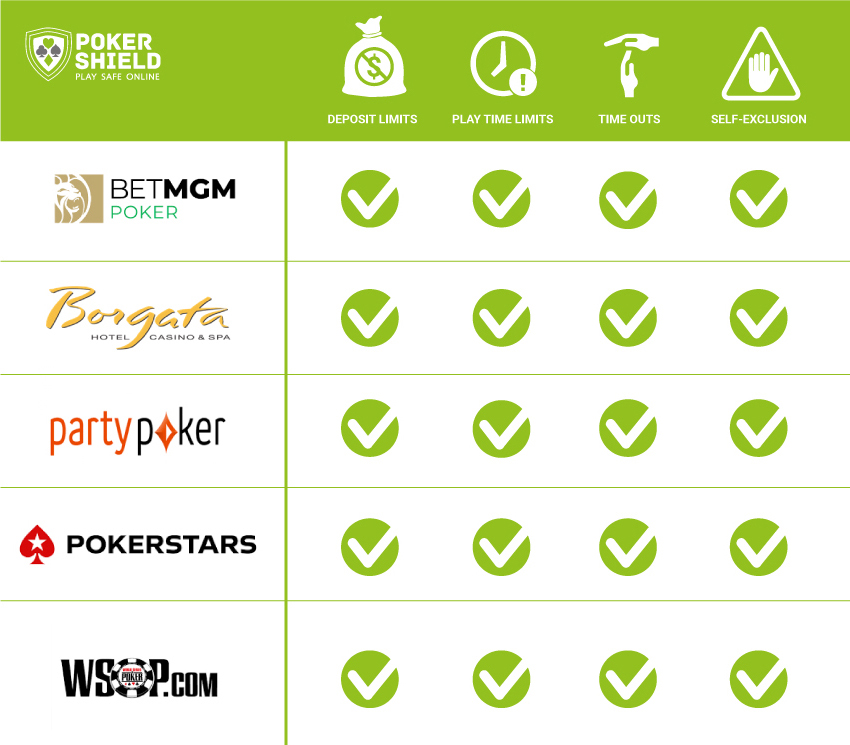
In the fast-paced world of online platforms, reputation has become a central factor influencing user decisions. When users select a service, whether it is for entertainment, financial transactions, or social networking, the perceived credibility and reliability of the platform often outweigh other considerations. A strong reputation signals to potential users that the platform has a history of trustworthiness, ethical conduct, and consistent performance, making it a crucial guiding principle in choice-making.
Reputation acts as a form of social proof. People tend to rely on the experiences and opinions of others when assessing risk, particularly in environments where information asymmetry exists. For instance, in the realm of digital entertainment platforms, users are often exposed to marketing messages that promise exceptional features, rewards, or user experiences. Without the ability to personally verify every claim, individuals naturally gravitate toward platforms that have established a positive reputation. Positive reviews, ratings, and testimonials create a perception of safety and reliability, reducing the psychological burden associated with uncertainty and potential loss.
Transparency is another component that reinforces a platform’s reputation. Users are more likely to trust platforms that openly share information about their policies, security measures, and operational procedures. A platform that clearly communicates how it handles sensitive data, resolves disputes, and manages user interactions projects an image of accountability. This transparency not only bolsters confidence among existing users but also attracts new users who prioritize clear and honest communication. Platforms that are opaque or ambiguous in their practices, on the other hand, risk skepticism and hesitation, as users may suspect hidden risks or unethical practices.
Security and reliability are closely tied to reputation and influence choice profoundly. In sectors such as online finance, e-commerce, or betting, users need assurance that their personal information and transactions are protected. A platform known for robust security protocols, consistent uptime, and prompt resolution of technical issues demonstrates competence and reliability. This perception reduces the perceived risk associated with engagement and increases user willingness to commit time and resources. Conversely, platforms that have experienced frequent security breaches or service failures often suffer lasting damage to their reputation, which can deter potential users indefinitely.
Reputation also affects perceived quality and service standards. Platforms with a longstanding history of positive user experiences are seen as more competent, capable, and attentive to user needs. This perception can influence choice even when other platforms offer similar functionalities. For example, users may opt for a platform that has a proven track record of fair play, responsive customer service, or consistent performance, trusting that the experience will meet or exceed their expectations. Reputation, therefore, functions as a heuristic—a mental shortcut that simplifies complex decision-making processes in an increasingly crowded and competitive market.
Peer influence and community sentiment are additional dimensions that amplify the role of reputation in guiding choice. Online platforms often develop communities of users who share experiences, recommendations, and warnings. Positive communal sentiment strengthens a platform’s reputation, creating a feedback loop that encourages more users to join. Platforms that cultivate vibrant, respectful, and helpful user communities are seen as more desirable, as the quality of social interaction adds intrinsic value to the overall experience. Conversely, platforms associated with negative community behaviors, such as harassment or exploitation, may be shunned, regardless of the technical advantages they offer.
Brand consistency and ethical practices are equally critical in shaping reputation. A platform that consistently upholds ethical standards, avoids misleading promotions, and acts responsibly in public and digital spaces builds a trustworthy image. Ethical conduct extends beyond compliance with regulations; it encompasses fairness in user engagement, equitable access to features, and responsible handling of content and transactions. Users are increasingly aware of corporate social responsibility, and platforms that align with these values enjoy a competitive edge. The alignment between user values and platform ethics becomes a decisive factor in platform selection, influencing long-term loyalty and advocacy.
Reputation management is not a passive process; platforms actively shape and maintain their standing through user engagement, public relations, and operational excellence. Regularly monitoring user feedback, responding to complaints, and implementing improvements are practical strategies that enhance reputation. Platforms that demonstrate a commitment to continuous improvement and user satisfaction reinforce their credibility, signaling that they are responsive and reliable. This proactive management fosters trust, reduces uncertainty, and encourages user retention.
Furthermore, reputation interacts with perceived risk and reward. Users assess not only what they stand to gain from engaging with a platform but also what they might lose if the experience falls short. A strong reputation mitigates perceived risks by offering assurance that the platform’s promises are credible. This is particularly significant in contexts where financial stakes, personal data, or emotional investment are high. When users feel confident that a platform will deliver on its commitments, they are more willing to explore its offerings, invest resources, and recommend it to others.
Reputation also influences user expectations and satisfaction. Users often form expectations based on a platform’s reputation, and their satisfaction is measured against these anticipations. A platform with a well-established reputation creates a baseline expectation of quality, reliability, and fairness. Meeting or exceeding these expectations strengthens user loyalty and contributes to positive word-of-mouth. Conversely, platforms with poor or inconsistent reputations may struggle to meet user expectations, resulting in disappointment, negative reviews, and reduced engagement.
In a competitive digital landscape, reputation serves as a differentiator. As platforms proliferate, users are faced with an overwhelming number of choices. Reputation simplifies decision-making by providing a comparative metric that encapsulates trustworthiness, quality, and reliability. It allows users to filter options quickly, focusing on platforms that have demonstrated consistent excellence over time. Platforms with strong reputations benefit from reduced acquisition costs, higher user retention, and enhanced advocacy, while those with weak reputations must invest heavily in marketing and user reassurance to compete.
Ultimately, platform reputation guides choice because it encapsulates trust, reliability, and credibility in a single, comprehensible signal. It reduces uncertainty, informs expectations, and aligns user decisions with their values and risk tolerance. In a digital era marked by abundant options and variable quality, reputation functions as a compass, helping users navigate complex ecosystems with confidence. By fostering transparency, ethical conduct, security, community engagement, and consistent performance, platforms build reputations that attract and retain users, influencing not only initial choice but ongoing loyalty and long-term success.
Reputation’s influence extends beyond rational evaluation; it also engages psychological and emotional dimensions. Trust derived from a positive reputation reduces anxiety, instills confidence, and enhances the overall user experience. Users are more likely to form positive emotional attachments to platforms they perceive as reputable, which further reinforces engagement and loyalty. Over time, this cycle of trust, satisfaction, and advocacy establishes a self-sustaining mechanism, where reputation continuously shapes user behavior, decision-making, and the broader perception of the platform’s value in the marketplace.
In conclusion, the reputation of a platform is more than just a reflection of past performance; it is a strategic asset that guides user choice, informs risk assessment, and fosters long-term engagement. Platforms that understand the centrality of reputation invest in maintaining transparency, security, ethical practices, and community vitality. By doing so, they create an environment where users feel confident, informed, and valued, which in turn drives adoption, loyalty, and sustained success in an increasingly competitive and discerning digital ecosystem.