
In the modern digital landscape, account controls serve as a cornerstone for user empowerment, offering both security and autonomy. Users increasingly demand platforms that provide clear, actionable ways to manage their own data, settings, and interactions. Account controls address this need by placing essential tools directly in the hands of individuals, ensuring they are not passive participants but active managers of their digital presence. This empowerment begins with the simple ability to configure basic account settings. From changing passwords and updating personal information to adjusting notification preferences, these foundational controls establish a sense of ownership over the digital experience. When users feel they have authority over these elements, their trust in the platform deepens, and their engagement becomes more intentional.
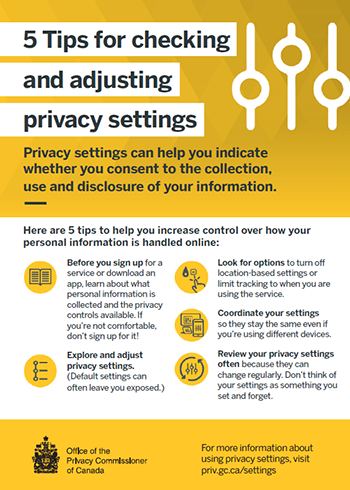
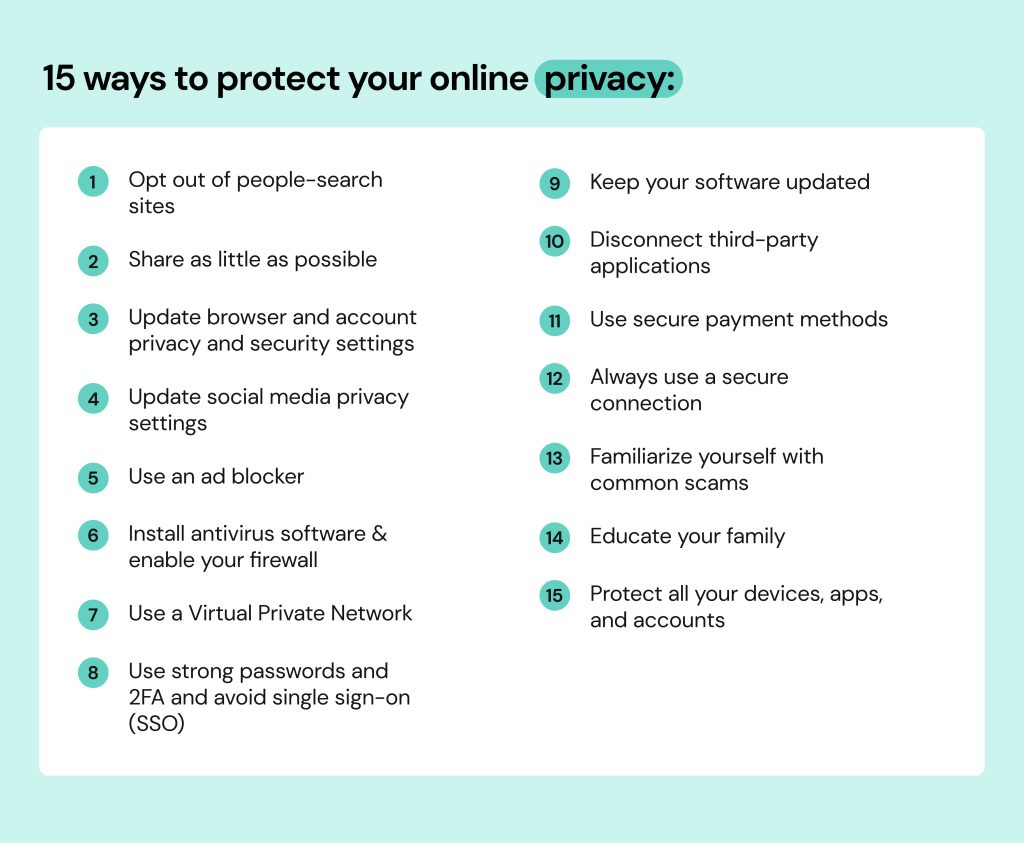
Beyond basic configurations, account controls extend into more sophisticated areas such as privacy settings. In an era where data breaches and unauthorized information sharing dominate headlines, giving users the ability to dictate what information is visible and to whom is crucial. Platforms that allow users to fine-tune visibility, decide who can contact them, and control the sharing of personal metrics enable a more confident, personalized interaction. This not only shields users from unwanted exposure but also fosters a sense of safety, encouraging deeper exploration and more frequent engagement with the service. Users who feel their privacy is respected are more likely to participate actively, knowing that they can adjust settings to match their comfort level.
Security is another domain where account controls demonstrate their power. Multifactor authentication, login alerts, and session management tools put critical security decisions in users’ hands. Rather than relying solely on platform-imposed protections, individuals can actively monitor their account activity, respond to suspicious behaviors, and implement stronger safeguards. This active participation transforms users from passive recipients of security measures into informed participants in their own digital defense. The psychological effect is significant: users feel less vulnerable, more in control, and more responsible for their online safety. This proactive stance not only protects the individual but also contributes to the overall security of the platform, creating a mutually beneficial ecosystem.
Customization of experiences is another dimension where account controls empower users. From interface preferences to accessibility features, providing tools to tailor the digital environment ensures that users can create conditions that optimize their comfort and efficiency. Features such as theme selection, font size adjustment, and personalized dashboards cater to diverse needs and preferences, acknowledging that a one-size-fits-all approach rarely satisfies everyone. Empowered users are those who can adapt their environment to suit their habits, cognitive preferences, and physical requirements, leading to a more inclusive, satisfying experience. The ability to shape the interface reinforces a sense of agency, making interactions feel purposeful rather than dictated by external design constraints.
Additionally, account controls facilitate meaningful oversight of user interactions and history. Activity logs, content management tools, and communication filters allow individuals to review past actions, curate information, and control ongoing engagements. This retrospective capability is more than a convenience; it is a critical element of autonomy. By reviewing and managing their history, users can learn from past behaviors, correct mistakes, and make informed decisions moving forward. This fosters not only confidence but also accountability, as users can actively participate in shaping the narrative of their digital presence. The sense of command over one’s data reinforces the perception that the platform respects user intelligence and judgment, which, in turn, strengthens loyalty and long-term engagement.
Social dynamics on digital platforms also benefit from robust account controls. Users can define boundaries in interactions, select who can reach them, and moderate community experiences according to personal preferences. This ability to manage social exposure mitigates the risk of harassment or unwelcome attention and enables more meaningful, intentional engagement. Users who can establish and enforce boundaries are more likely to participate positively, share content, and contribute constructively to the community. In this sense, account controls are not merely administrative tools; they are enablers of healthier social ecosystems, where users feel respected and supported.
Moreover, the empowerment offered by account controls extends into transactional confidence. Platforms that involve financial exchanges or sensitive operations benefit from users being able to monitor transaction histories, set limits, and authorize actions. Such capabilities reduce anxiety associated with mistakes or fraud, as users can intervene directly if irregularities occur. The sense of control over financial interactions enhances trust in the platform, encouraging more frequent and confident engagement. In a world where digital interactions increasingly include monetary components, the ability to supervise and manage these transactions is a tangible manifestation of empowerment.
Account controls also enhance adaptability in a rapidly evolving digital environment. Platforms regularly introduce new features, policies, or tools, and users equipped with robust control mechanisms can adjust settings to integrate these changes smoothly. Rather than feeling disoriented or forced to comply with new defaults, empowered users can evaluate updates, implement preferences, and maintain consistency in their experience. This flexibility mitigates frustration and enhances satisfaction, as individuals perceive that the platform accommodates their choices rather than imposing them. The ability to navigate change confidently is a hallmark of digital empowerment, reflecting a partnership between the platform and the user rather than a top-down imposition.
Ultimately, account controls bridge the gap between user expectation and platform delivery. By providing tools for personalization, security, privacy, oversight, and social management, platforms convey respect for user autonomy. Users who can exercise choice and influence their environment are more likely to engage deeply, explore comprehensively, and invest in long-term usage. Empowerment through account controls is not merely a functional benefit; it cultivates psychological confidence, enhances trust, and fosters a sense of ownership that transforms routine interaction into meaningful participation. In a landscape where digital engagement is abundant but attention is scarce, these controls are essential levers for both satisfaction and retention, ensuring that users feel not only supported but also genuinely in command of their digital journey.
The breadth and depth of account controls reflect a broader principle: empowerment is about enabling informed, autonomous decisions. Whether managing personal data, configuring security, shaping interface experiences, overseeing history, or controlling social and financial interactions, users equipped with these capabilities experience a tangible increase in agency. They transition from passive observers to active participants, capable of steering their digital experience in alignment with personal values, comfort, and goals. This shift enhances the overall quality of interaction, fostering trust, satisfaction, and loyalty, while simultaneously contributing to the health and resilience of the platform itself. In essence, account controls are more than administrative options—they are instruments of autonomy, confidence, and engagement, turning everyday users into empowered digital citizens.
Leave a Reply