
Slot games have evolved far beyond simple reels and symbols, emerging as immersive experiences that blend gameplay, visuals, and audio into a cohesive narrative. One key factor in enhancing player engagement is the cohesion of the game’s theme. When all elements of a slot – from graphics and animations to sound design and bonus features – align under a singular thematic vision, players experience a sense of immersion that is hard to replicate through fragmented or inconsistent designs. Cohesion fosters a narrative thread, making each spin feel like a continuation of a larger story rather than a disconnected event, which deepens emotional involvement and increases the perceived value of the gaming experience.
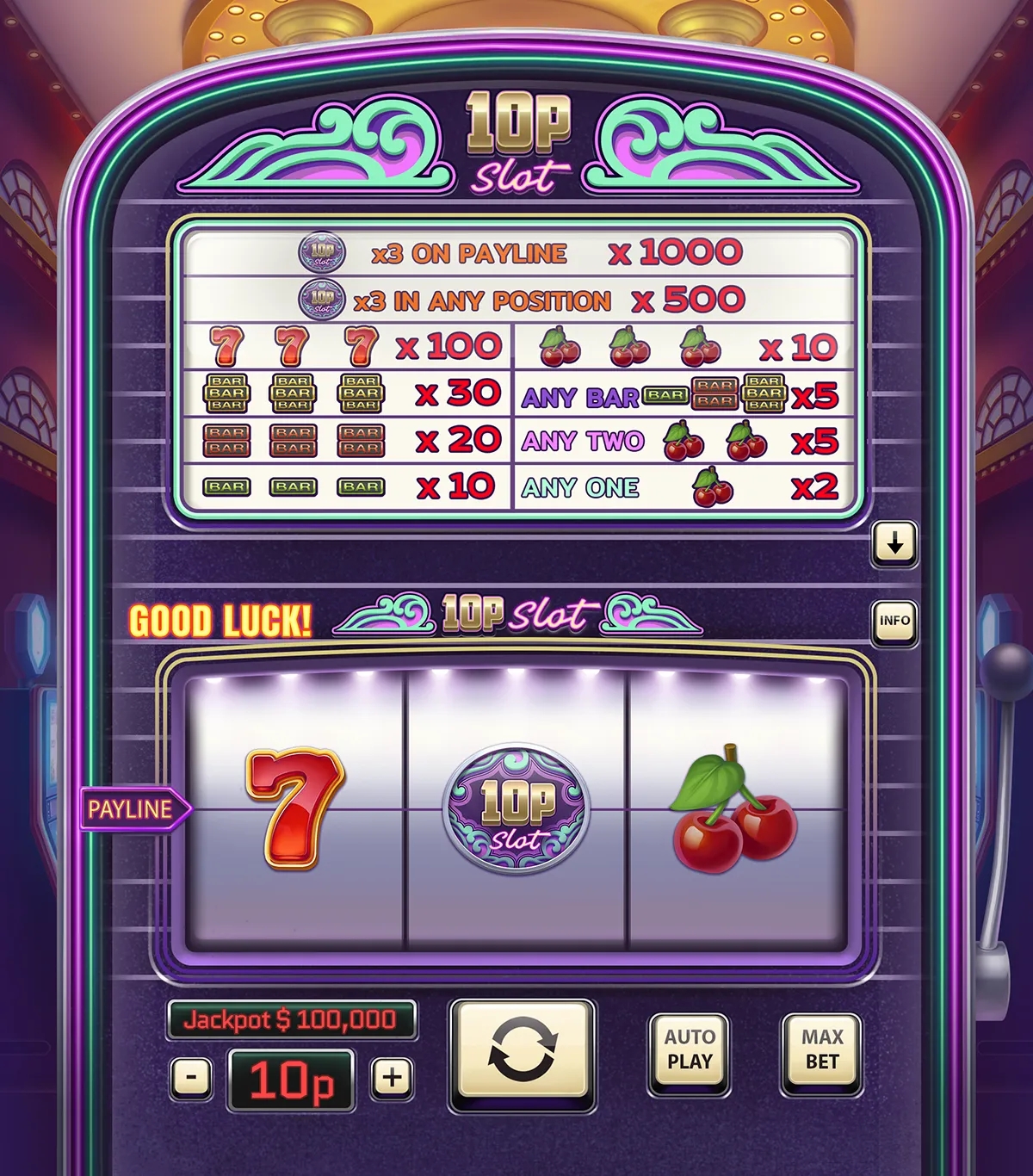
Theme cohesion begins with visual consistency. The symbols on the reels, background imagery, color palette, and interface design should all reflect the chosen theme. For example, a slot themed around an ancient Egyptian adventure may feature scarabs, pyramids, and pharaohs, with desert landscapes and golden accents in the interface. When these elements match in style and color, players instantly recognize the game’s setting, which reduces cognitive dissonance and allows them to focus on the gameplay itself. Conversely, a slot that mixes disparate visuals – such as futuristic icons alongside medieval motifs – can disrupt the player’s sense of continuity, making the experience feel disjointed and less engaging.
Sound design is equally crucial in reinforcing thematic cohesion. Background music, sound effects for spins, and audio cues for wins all contribute to the player’s sense of place. For example, a jungle-themed slot might incorporate the sounds of chirping birds, rustling leaves, and distant animal calls, while an undersea slot could feature bubbling water and the distant hum of whales. These auditory cues reinforce visual cues, creating a multi-sensory environment that feels believable and engaging. When the audio matches the visual design, players are more likely to lose themselves in the game world, sustaining attention and increasing session duration.
Narrative elements also enhance thematic cohesion. Many modern slots incorporate storylines, characters, or progression systems that reward players not just for winning, but for exploring the world of the game. A pirate-themed slot may follow a captain’s quest to discover hidden treasure, with bonus rounds that simulate battles or map exploration. These narrative features give context to spins and wins, transforming them from mechanical actions into meaningful events. The cohesion between story, visuals, and mechanics ensures that each game element serves the overarching theme, enhancing immersion and encouraging players to invest emotionally in their progress.
Mechanics themselves can be tailored to complement the theme, reinforcing cohesion and engagement. A slot centered on magic or fantasy may incorporate wild transformations, spell-triggered bonuses, or cascading reels that resemble mystical effects. By designing mechanics that reflect the theme, developers ensure that players’ interactions with the game feel intuitive and connected to the world they inhabit. This unity between form and function strengthens the suspension of disbelief, making the gaming experience more immersive and enjoyable.
Cohesion also impacts the perceived quality of the game. Players are more likely to view a slot as polished and professional when its elements are harmonized under a clear theme. This perception of quality can increase trust and satisfaction, encouraging repeat play and positive word-of-mouth. In contrast, games with weak or inconsistent themes may appear rushed or amateurish, reducing player confidence and engagement. Theme cohesion, therefore, not only enhances immersion but also contributes to the game’s reputation and longevity in a competitive market.
The psychological effects of thematic cohesion are significant. Players are naturally drawn to environments that are internally consistent and predictable in terms of sensory cues. When a slot game maintains cohesion, it aligns with this preference, allowing players to focus on gameplay and strategy without distraction. Cohesion reduces cognitive load, enabling players to quickly understand rules, identify winning symbols, and anticipate bonus triggers. This clarity supports a smoother, more satisfying experience, increasing the likelihood of prolonged engagement and higher retention rates.
Moreover, cohesive themes encourage emotional connections with the game. Characters, stories, and visuals that align under a single theme foster attachment and investment. Players may develop favorite characters, root for specific outcomes, or anticipate story progression, creating a sense of personal involvement. This emotional connection is a key driver of immersion, as it shifts the experience from purely transactional spins to meaningful interaction with the game world.
Marketing and brand recognition also benefit from thematic cohesion. Slots with strong, unified themes are easier to promote and remember. Players can recall games by their unique narrative, visuals, or auditory style, which strengthens brand identity and loyalty. In contrast, generic or thematically inconsistent slots struggle to differentiate themselves in a crowded market, reducing visibility and long-term player engagement.
Cohesion can further enhance social and competitive aspects of slot play. Many modern slots incorporate leaderboards, shared events, or multiplayer features. When all participants operate within a cohesive theme, these interactions feel more engaging and contextualized. A well-designed theme can spark conversations, shared strategies, and community involvement, enriching the overall experience beyond individual play.
Finally, cohesive themes allow for creative expansions and updates. Developers can build sequels, spin-offs, or seasonal events within the established world, maintaining consistency while offering fresh experiences. Players familiar with the theme can immediately recognize new content, reducing the learning curve and sustaining immersion. This continuity supports long-term engagement, ensuring that the thematic world remains compelling over multiple sessions and updates.
In summary, slot theme cohesion plays a critical role in enhancing immersion. By aligning visuals, sound, narrative, mechanics, and interface design under a unified vision, developers create a seamless, multi-sensory experience that captivates players and sustains engagement. Cohesion reduces cognitive load, fosters emotional connection, and reinforces perceived quality, all of which contribute to longer play sessions, higher retention, and stronger brand loyalty. A well-executed cohesive theme transforms a slot from a simple game of chance into a compelling, immersive journey, demonstrating that attention to thematic unity is not just an aesthetic choice but a strategic design principle that shapes the success of modern slot games.
Players naturally gravitate toward experiences that feel complete and harmonious, and cohesive themes deliver exactly that. The interplay of narrative, mechanics, sound, and visuals creates a sense of presence and continuity that elevates the gaming experience. As the industry continues to innovate, the importance of theme cohesion in crafting immersive, engaging, and memorable slot experiences will only grow, making it a cornerstone of successful game design.




Leave a Reply